
The words on the front of a cleaning bottle are written by a marketing department. The words on the back are written by a regulator. Almost everything useful about choosing a non-toxic cleaner comes down to reading the back and ignoring the front.
This is a practical guide: what the term actually means, how to pick products, what to make yourself, what never to mix, and the one question people ask about dust mites that has a surprising answer.
What is a non-toxic cleaning product?
There is no legal definition, so the useful test is what is on the label rather than what is on the front of the bottle — a full ingredient list and no hazard warning. The full answer is in our guide to what a non-toxic cleaning product actually is.
What are the best non-toxic cleaning products?
The best ones are the ones that pass four checks: a third-party certification mark such as EPA Safer Choice, a full ingredient list including how the fragrance is described, a fragrance-free version if anybody in the house reacts to scent, and an EPA registration number if the bottle claims to kill germs. Brand loyalty is worth less than those four checks.
A whole house can be cleaned with a very short list, and most of what accumulates under a sink is duplication:
- A mild dish soap, diluted in warm water, for floors, doors, trim, cabinet fronts and most counters
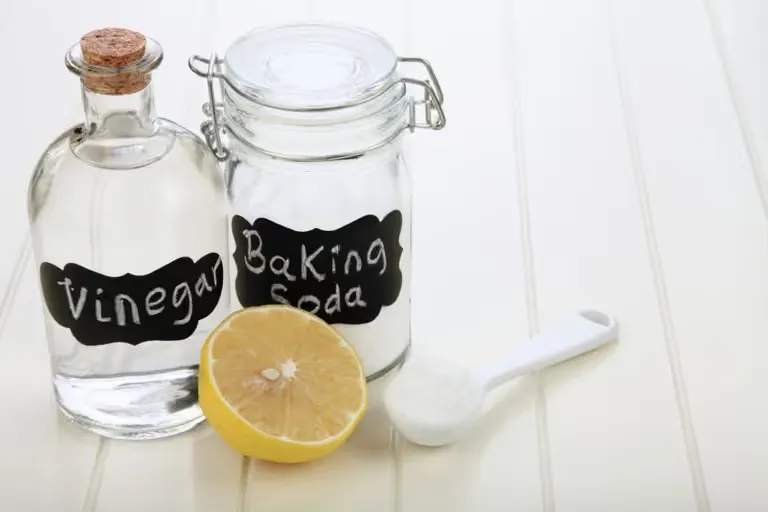
- White vinegar, diluted, for glass, chrome and light mineral film on surfaces that are not natural stone
- Baking soda, as a gentle abrasive for sinks, tubs and cooked-on residue
- One registered disinfectant, kept for the times it is genuinely needed rather than used weekly
- Microfiber cloths and a good vacuum, which remove more of what actually bothers people than any spray
That last point is the one most guides skip. Physical removal is the mechanism, and chemistry is only there to loosen what the cloth is about to carry away.
Are Method and Mrs. Meyer's cleaning products non-toxic?
Both are lower-hazard than a conventional solvent-heavy cleaner, and neither is non-toxic in any certified sense, because that certification does not exist. Mrs. Meyer's states its products are made without ammonia, chlorine, parabens, phthalates, formaldehyde, artificial colorants, phosphates or petroleum distillates, and that they are made with essential oils.
Method sits in the same category: plant-based surfactants, published ingredient lists, and a fragrance in nearly every product. For most households that is a sensible trade. For a household with a cat or a bird, the essential oil fragrances are the part to think about, and the guide to cleaning products and pets explains why cats in particular do badly with them.
Neither company's own guidance claims the products are safe to ingest or safe to leave within reach. Mrs. Meyer's advice comes down to keeping cleaning products away from children and pets, which is the correct instruction for every bottle in the house regardless of what the front label says.
Does Lysol kill dust mites?
A disinfectant spray is not a dust mite strategy: what people react to is a protein in mite waste, and that protein stays in the fabric after the mite is dead. The full answer is in our guide to whether Lysol kills dust mites.
How do you make non-toxic cleaning products at home?
Homemade cleaners work well for everyday soil and cost very little. Three recipes cover almost everything, and all three should be mixed fresh rather than stored for months, because a homemade solution has no preservative in it and will grow bacteria in a bottle over time.
- All-purpose spray. A teaspoon of mild dish soap in a spray bottle of warm water. Good on painted walls and trim, doors, cabinet fronts, appliance exteriors and sealed counters. Wipe with a damp cloth afterward so no soap film is left to attract dust.
- Glass and chrome. Equal parts white vinegar and water, applied to the cloth rather than sprayed around, then buffed dry with a second dry microfiber. Keep it off natural stone, including the stone vanity top under the mirror you are cleaning.
- Soft scrub. A quarter cup of baking soda worked into a paste with a little dish soap, for sinks, tubs and cooked-on residue on ceramic or stainless. Test it first on high-gloss acrylic, and keep it off polished stone.
One correction to the older version of this article, which recommended borax in the all-purpose recipe. Borax does clean, but it is harmful if swallowed and irritating to skin, eyes and airways, so it does not belong in a recipe whose entire purpose is lowering the hazard in a house with children or pets in it. The dish soap version does the same job.
Label whatever you mix, in handwriting, on the bottle. Never decant a cleaning solution into a drink bottle or a food container, which is how the great majority of accidental household poisonings actually begin.
How do you clean baseboards with vinegar?
Dry-remove the dust before anything wet touches the trim, then wash with warm water and a little dish soap — the film underneath is what dusting alone never lifts. We work through it in our guide to the right way to clean baseboards.
What should never go into a homemade cleaner?
Never put bleach with ammonia, bleach with vinegar or any acid, or hydrogen peroxide with vinegar in the same container. The first two release toxic gas and the third makes peracetic acid. Keep vinegar off marble, limestone and travertine, and keep water off unsealed wood.
These combinations come up in homemade recipes all the time, which is why they are worth spelling out rather than assuming. None of the following belongs in a bottle together.
- Bleach and ammonia. This produces chloramine gas. Many glass cleaners contain ammonia, so this happens by accident more often than on purpose.
- Bleach and vinegar, or bleach and any acid. This releases chlorine gas.
- Hydrogen peroxide and vinegar in the same container. The result is peracetic acid, which is corrosive to skin, eyes and lungs. Using one after the other on a surface, with a rinse in between, is a different thing from mixing them.
- Vinegar and natural stone. Marble, limestone and travertine etch. Granite resists most kitchen acids, but the Natural Stone Institute still advises against acidic cleaners on it, because these stones can contain trace minerals that are acid sensitive.
- Water flooded onto unsealed or unfinished wood floors. A damp mop on a sealed floor is fine; a wet one on bare wood, or on a floor waiting to be polyurethaned, is not.
- Essential oils in mop water, in a household with a cat.
A rule that catches most of the rest: if you find yourself combining two products because one alone is not working, stop. The answer is almost always more dwell time and more scrubbing rather than more chemistry.
What do you do with the old cleaners under the sink?
Do not pour them down the drain and do not put them in the household trash. The rule from the original version of this post still holds: if a product is too hazardous to use in your home, it is too hazardous to send into groundwater. Household hazardous waste collection is handled locally.
Check your village or county public works page for the nearest household hazardous waste collection day or permanent drop-off site, and take the bottles there. Empty, thoroughly rinsed containers can usually go into ordinary recycling, but the partly full ones are the point of the exercise.
While you are down there, consolidate. Most homes have four cleaners that do the same thing and none that does the job nobody wants to do, and clearing the cabinet out is a small piece of the same instinct that makes people book a deep clean in the first place.
Should you hire a cleaning service or do this yourself?
Do it yourself if you enjoy it, have the time and mainly need maintenance. Hire a service when the backlog is bigger than a weekend, when the same rooms keep getting skipped, or when the time is worth more to you than the task. Nothing above requires hiring anybody.
The point of writing it out is that a reader who wants to do it themselves now can, and the ones who would rather not know what they are asking for when they call.
Happy Maids already brings the kind of kit described above. Green, kid- and pet-safe products are the default on every visit rather than an upgrade you request, built on the plant-derived Better Life range, which the company states contains no dyes, synthetic fragrances, sulfates or petroleum solvents. If someone in the house reacts to a particular product, tell the office before the first visit and it goes on your file.
The green cleaning page publishes the full supply list if you want to read it, and the companion post on what green cleaning actually means covers how the method differs from the products.
Happy Maids has been cleaning homes in Barrington and the surrounding northwest suburbs since 1985, and the house cleaning service page explains how a visit is structured. To ask about products before booking anything, call 847-382-0082 and talk to the office.
Frequently asked questions
What is a non-toxic cleaning product?
There is no legal definition of the term for a household cleaner. Used honestly it means a formulation built from lower-hazard ingredients, without the solvents, dyes and fragrance compounds most likely to irritate skin and airways. The way to check is the ingredient list on the back and a third-party mark such as EPA Safer Choice, not the phrase on the front.
Does Lysol kill dust mites?
Lysol's published allergen claim is a removal claim, not a kill claim. Its own consumer guidance tells you to use the disinfectant spray to get rid of dust mite debris and other allergens. Killing the mites would not fix the problem anyway, because the allergen is a protein in their droppings and body fragments and stays in the fabric until it is washed or vacuumed out.
What actually kills dust mites in a mattress?
Heat and laundering. AAFA recommends washing bedding, uncovered pillows and soft toys weekly in water at 130 degrees Fahrenheit or hotter and drying them hot. A mattress cannot be washed, so the practical answer is a zippered allergen-resistant encasement, which AAFA notes works better than an air cleaner at reducing symptoms, plus keeping humidity down with air conditioning in warm weather and a dehumidifier where one is needed. AAFA gives no number; EPA's moisture guidance puts the target below 60 percent, ideally between 30 and 50.
Are Method cleaning products non-toxic?
Method is lower-hazard than a conventional solvent-heavy cleaner, and no cleaning product is certified non-toxic, because no such certification exists. It uses plant-based surfactants, publishes its ingredient lists, and is scented in nearly every product. Read the ingredient list on the label or the manufacturer's site rather than the claim on the front panel.
Is Mrs. Meyer's actually non-toxic?
Mrs. Meyer's states its products are made without ammonia, chlorine, parabens, phthalates, formaldehyde, artificial colorants, phosphates or petroleum distillates, and that they are made with essential oils. That is a genuine reduction in the harsher ingredients rather than a guarantee of harmlessness. The company's own advice is still to keep cleaning products away from children and pets.
Can I clean baseboards with vinegar?
Yes, on painted trim that has fully cured. Use about one part white vinegar to eight parts warm water, dry-dust first, wipe with a barely damp cloth and dry behind yourself so water does not sit in the seam at the floor. Keep it off raw wood, off freshly painted trim, and off marble, limestone or travertine.
Is vinegar safe on every surface?
No. The Natural Stone Institute states that products containing lemon, vinegar or other acids may dull or etch calcareous stone such as marble, limestone and travertine. Granite is more acid-resistant, though the same source still advises against acidic cleaners on it, because these stones can contain trace minerals that are acid sensitive. Vinegar also does not belong on unsealed wood, on unfinished floors, or mixed with bleach, which releases chlorine gas.
Is borax a non-toxic cleaner?
Borax cleans, but it is harmful if swallowed and irritating to skin, eyes and airways, so it does not belong in a recipe whose purpose is lowering hazard in a house with children or pets. An earlier version of this article recommended it in an all-purpose spray; a teaspoon of mild dish soap in warm water does the same job.